
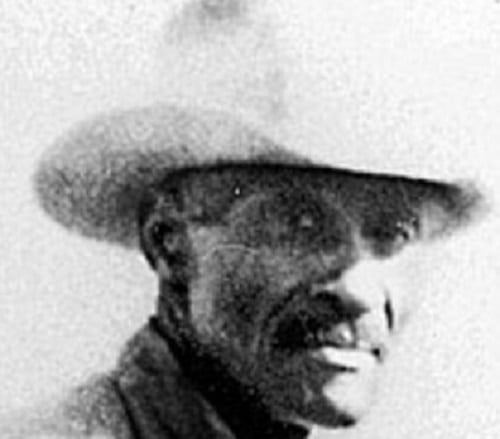
Ben Chester White was a 65-year-old African American man and a respected deacon in his church, living in Jefferson Davis Parish, Louisiana, during one of the most turbulent periods in the American South. On June 10, 1966, White became the victim of a brutal, racially motivated killing orchestrated by members of the Ku Klux Klan. His murder was not just a crime against an individual; it was intended as a message of terror against the African American community and those advocating for civil rights.
White was known as a quiet, law-abiding man who devoted his life to his family and church. He was lured from his home by Klan members under the guise of helping them find a location to hunt deer. Once in a remote area, he was shot multiple times and left to die. His body was discovered later, and the violent circumstances of his death shocked both the local community and the nation.
The perpetrators were later identified as members of the Ku Klux Klan, a white supremacist organization determined to maintain segregation and resist the civil rights movement. The Klan’s targeting of White, who was not actively involved in civil rights activism, demonstrated the indiscriminate nature of racial violence at the time. They sought to terrorize the broader Black community, making clear that anyone could become a victim simply because of their race.
The killing of Ben Chester White occurred during a period of intense social upheaval in the South. The Civil Rights Movement had gained national momentum, with federal laws and court rulings challenging segregation and discrimination. White’s murder was part of a broader pattern of violence intended to intimidate African Americans and discourage their participation in efforts to secure equal rights.
Investigations into the murder were complicated by local resistance and the fear of retaliation within the African American community. While the crime attracted national attention, it took decades before justice was pursued in earnest. In the years following the killing, the investigation faced numerous obstacles, including the Klan’s secrecy and the reluctance of some local authorities to confront white supremacist violence. Eventually, law enforcement was able to identify and prosecute some of the individuals involved, but the slow pace of justice reflected the systemic challenges of holding perpetrators of racially motivated crimes accountable during that era.
Ben Chester White’s death remains a chilling reminder of the dangers faced by African Americans in the Jim Crow South and the extreme measures used by white supremacists to maintain control. His murder underscores the courage of civil rights activists who continued their work despite knowing that such violence could befall anyone. White’s legacy serves as both a warning and a testament to the ongoing struggle against racial hatred and injustice in America.