
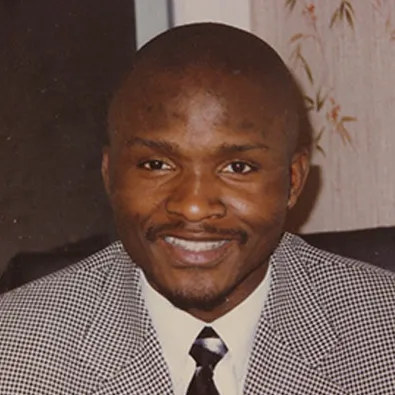
Charley Leundeu Keunang was a 43-year-old Cameroonian immigrant whose death on March 1, 2015, in Los Angeles, California, drew national attention to issues surrounding policing, homelessness, mental health, and the treatment of marginalized communities. His story became a powerful symbol of the struggles faced by many people living on the streets and raised serious questions about the use of force by law enforcement.
Keunang was born in Cameroon and later came to the United States in search of better opportunities. Like many immigrants, he arrived with hopes of building a stable life. However, over time he experienced significant hardships. Reports from people who knew him described a man who struggled with mental health challenges and periods of instability. Eventually, he became homeless and spent much of his time in the Skid Row area of downtown Los Angeles, a neighborhood known for its high concentration of unhoused residents.
Despite his circumstances, Keunang was known among some members of the community. Outreach workers and residents described him as someone who could be calm and friendly but who also had moments of distress or agitation. His situation reflected the broader reality of Skid Row, where thousands of individuals live without consistent housing, mental health care, or social support.
On the morning of March 1, 2015, Los Angeles police officers responded to a report of a robbery involving Keunang. According to authorities, he had allegedly taken a tent from another individual. Officers approached him near San Pedro Street. What began as a relatively minor call quickly escalated into a physical confrontation.
Video recorded by a bystander showed officers attempting to restrain Keunang. As multiple officers tried to handcuff him, a struggle broke out on the sidewalk. During the altercation, Keunang resisted efforts to detain him. Officers later stated that he attempted to grab one of their weapons. In response, one officer fired his gun, striking Keunang multiple times. He was pronounced dead at the scene.
The graphic footage spread rapidly online and across news outlets, sparking outrage and grief. Many viewers questioned whether deadly force was necessary in a situation that began with a minor theft allegation. The incident fueled protests in Los Angeles and renewed national debates about police use of force, especially in encounters involving people who are homeless or experiencing mental health crises.
Community members and activists pointed to deeper systemic issues highlighted by Keunang’s death. Skid Row had long been the focus of criticism over aggressive policing practices. Advocates argued that law enforcement was often used as a primary response to poverty, homelessness, and mental illness rather than social services or medical care. Many believed Keunang’s situation demonstrated the consequences of a system that criminalizes survival behaviors instead of addressing root causes.
Civil rights organizations and community groups called for greater accountability, improved crisis intervention training for officers, and increased investment in housing and mental health services. The case also became part of the broader national conversation taking place at the time about police violence and the treatment of Black men.
The Los Angeles Police Department conducted an internal investigation into the shooting. Officials concluded that the officers’ actions were within department policy, stating that the use of deadly force was justified based on their belief that Keunang posed an immediate threat. However, the decision did little to ease public concern or the pain felt by many who viewed the video and questioned whether the situation could have been handled differently.
Keunang’s death also drew attention to the vulnerabilities faced by immigrants experiencing homelessness. Far from his home country and without a strong support network, he had fallen through the cracks of multiple systems. His life story reflected the intersection of immigration challenges, economic hardship, mental health struggles, and the lack of affordable housing in major cities.
In the years since his death, Charley Keunang’s name has continued to be remembered by activists and community members who advocate for reform. His case is often cited in discussions about alternative crisis response models, including programs that send mental health professionals or social workers instead of police to handle nonviolent incidents.
Ultimately, the story of Charley Leundeu Keunang is not only about a tragic encounter with law enforcement but also about the broader social conditions that shaped his life. It highlights the urgent need for compassionate responses to homelessness, improved mental health care access, and policies that prioritize human dignity. His death remains a reminder that behind every headline is a person whose life, struggles, and hopes deserve to be seen and understood.