
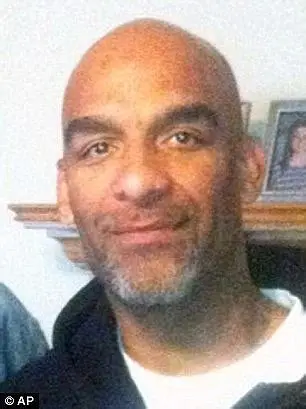
The death of Eric Courtney Harris on April 2, 2015, in Tulsa, became one of the most widely discussed police shooting cases in Oklahoma in recent years. What began as an undercover sting operation ended in tragedy and sparked national debate about law enforcement training, the role of reserve deputies, and accountability within sheriff’s departments.
Eric Harris was 43 years old at the time of his death. According to the Tulsa County Sheriff’s Office, deputies had organized an undercover gun-buy operation after alleging that Harris had agreed to sell a firearm to an undercover officer. The operation was designed as a controlled sting, with deputies monitoring and waiting to move in once the transaction took place.
When officers attempted to arrest him in a parking lot, Harris appeared to realize that he was surrounded by law enforcement. He ran from the scene, prompting deputies to chase him on foot. Video later released from a deputy’s body camera showed officers tackling Harris and forcing him to the ground. Several deputies were on top of him, attempting to restrain him and secure his arms.
At that moment, 73-year-old reserve deputy Robert Charles Bates arrived to assist. Bates, a wealthy insurance executive who volunteered as a reserve deputy, had completed reserve training but did not have the same level of training or on-duty experience as full-time deputies. According to investigators, Bates intended to use his Taser to help subdue Harris. Instead, he drew his handgun and fired a single shot into Harris’s back while Harris was face down on the ground.
Immediately after the gunshot, Bates can be heard on the body camera footage saying, “Oh, I shot him! I’m sorry.” Harris cried out that he had been shot and said he was losing his breath. Deputies attempted to render aid and called for emergency medical assistance. Harris was transported to a local hospital, where he later died from the gunshot wound.
The shooting quickly gained widespread attention after the body camera video was released to the public. Many viewers questioned how a deputy could confuse a firearm with a Taser, particularly in a high stress arrest situation. The Tulsa County Sheriff’s Office described the shooting as a tragic accident caused by “weapon confusion,” a phenomenon that has been cited in other cases where officers mistakenly draw their gun instead of a less-lethal device.
However, the case raised additional concerns beyond the split-second error. Investigations revealed questions about Bates’s training records and whether he had met all required firearms qualifications. Critics argued that reserve deputies should not be placed in high-risk operations without the same standards and oversight as full-time officers. The sheriff at the time, Stanley Glanz, defended the department initially but later faced intense scrutiny. Amid separate controversies and mounting pressure, Glanz resigned in 2016.
Prosecutors charged Bates with second-degree manslaughter, citing culpable negligence. In 2016, a jury found him guilty. He was sentenced to four years in prison. During the trial, Bates maintained that the shooting was a mistake and expressed remorse. Prosecutors argued that his lack of adequate training and his decision to participate in a dangerous operation demonstrated negligence that cost Harris his life.
For Harris’s family, the case was deeply painful and raised serious concerns about how he was treated both during and after the shooting. Portions of the body camera footage also captured deputies making comments about Harris’s breathing, which further fueled public anger and protest. Community members gathered in Tulsa to demand reforms, improved oversight, and clearer accountability measures for law enforcement officers.
The death of Eric Harris became part of a broader national conversation about policing in America, especially during a period when body camera footage was increasingly bringing police encounters into public view. It highlighted questions about reserve officer programs, training standards, use of force policies, and the responsibilities of law enforcement agencies to ensure that all personnel are fully qualified for the duties they perform.
More than a decade later, the case remains a powerful reminder of how quickly an operation can turn fatal, how critical proper training is in high pressure situations, and how one moment of confusion can permanently alter multiple lives. For the Harris family and many in the Tulsa community, April 2, 2015, stands as a tragic day that continues to shape discussions about justice and accountability in law enforcement.