
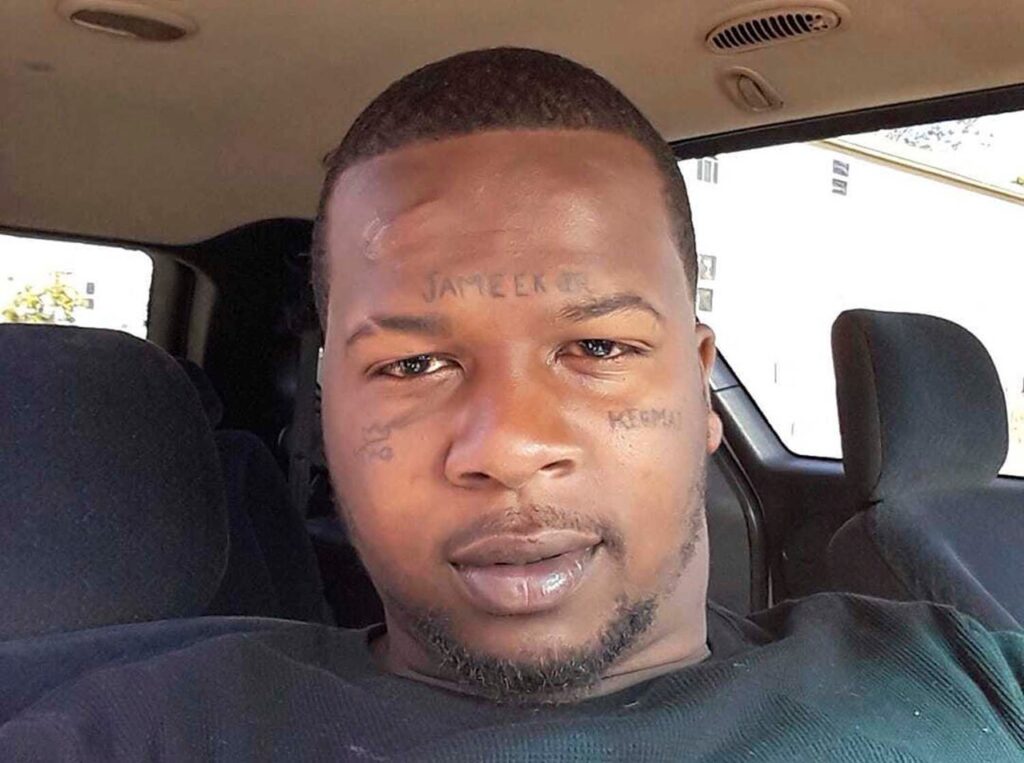
Jameek Lowery was a 27 year old man from Paterson, New Jersey whose tragic death in January 2019 drew national attention and raised serious questions about how police and emergency responders handle people experiencing mental health crises. His case became widely known after a disturbing livestream he recorded while inside a police station, moments before he was taken into custody and later died. For many observers, the circumstances surrounding his death highlighted the dangers that can occur when someone in distress seeks help but instead becomes involved in a physical confrontation with authorities.
During the early morning hours of January 5, 2019, Jameek Lowery began experiencing severe paranoia and confusion. According to reports, he had taken a substance believed to be ecstasy earlier in the night. As the drug began to affect him, he started to believe that people were trying to harm him. Feeling frightened and disoriented, he called 911 asking for help. During the call he reportedly told dispatchers that he believed someone was trying to kill him and that he needed assistance.
Emergency responders first took Lowery to a hospital in Paterson. However, while at the hospital he became agitated and left before receiving full treatment. Still terrified and unsure where to turn, Lowery walked barefoot through the streets until he arrived at the Paterson Police Department headquarters. It was around 3:45 in the morning when he entered the building.
Inside the police station lobby, Lowery began livestreaming on Facebook. The video showed him visibly distressed, sweating, and breathing heavily. He repeatedly told viewers that someone was trying to kill him. At times he appeared confused and paranoid, but he also clearly asked for help. In the livestream he called out to officers nearby and asked them for water while trying to explain what he believed was happening to him.
The livestream quickly spread online after his death because it captured the final public moments of his life. Many viewers later said the video showed a man who was clearly in need of medical or psychological assistance rather than physical restraint.
Police officers inside the station reportedly tried to keep distance from Lowery while they waited for medical personnel to arrive. Eventually emergency responders from the Paterson Fire Department arrived with an ambulance to transport him back to the hospital. According to official accounts, Lowery became combative as responders attempted to place him into the ambulance. Officers and emergency personnel reportedly used physical force to restrain him, stating that he was kicking and resisting as they tried to control him.
Lowery was placed into the ambulance while still restrained. What happened during the ride to the hospital later became one of the most controversial aspects of the case. According to authorities, Lowery began to lose consciousness while being transported. By the time the ambulance arrived at St. Joseph’s University Medical Center, he was unresponsive and in cardiac arrest.
Doctors at the hospital attempted emergency treatment, but Lowery never regained consciousness. Two days later he was pronounced dead. The sudden death of a young man who had gone directly to the police station asking for help shocked the community and quickly became the subject of intense scrutiny.
The official investigation concluded that Lowery’s death was the result of cardiac arrest caused by a drug induced psychotic episode. The New Jersey medical examiner stated that a powerful stimulant known as N-Ethyl Pentylone, sometimes referred to as bath salts, was found in his system. Prosecutors later determined that the officers and emergency responders involved had not committed criminal wrongdoing.
However, Lowery’s family strongly disagreed with those conclusions. They believed that the physical struggle during his restraint played a role in his death. The family hired an independent forensic pathologist to conduct a second autopsy. That examination reportedly found multiple injuries, including bruising on his face and body and damage to his fingers and hands.
The independent pathologist argued that the injuries suggested a violent struggle and classified the death as a homicide rather than a drug related accident. This conflicting medical opinion intensified public debate and fueled demands for a deeper investigation into the events that occurred inside the ambulance.
Community activists and civil rights groups organized protests in Paterson and other cities. Demonstrators carried signs demanding justice for Lowery and called for federal authorities to examine the case. Many protesters argued that the situation represented a broader problem in the United States, where individuals experiencing mental health crises often encounter police officers instead of trained mental health professionals.
The fact that Lowery had walked into a police station asking for help became one of the most troubling aspects of the case for many observers. Supporters of the family argued that instead of receiving calm medical intervention, the situation escalated into a physical confrontation that ultimately ended his life.
Civil rights attorneys working with the family pushed for transparency and accountability. They requested the release of surveillance footage, body camera recordings, and ambulance records that could clarify exactly what happened during the restraint and transport. The family also filed legal claims seeking damages and answers about the circumstances of Lowery’s death.
Over time the case became part of a larger national conversation about deaths that occur during police restraint. Researchers and journalists began examining similar incidents across the country where individuals died after being restrained by law enforcement or emergency responders. Many of these cases involved people experiencing mental health crises or drug related distress.
Studies have shown that restraint techniques, especially when combined with extreme agitation or drug intoxication, can create dangerous medical conditions. Some medical experts warn that intense physical struggles combined with stress, drug effects, and restricted breathing can lead to sudden cardiac arrest.
For advocates of police reform, the death of Jameek Lowery became an example of why many communities are pushing for alternative crisis response systems. These systems involve trained mental health professionals who respond to emergency calls instead of police officers when someone is experiencing psychological distress.
Lowery’s family has continued to speak publicly about their loss and their desire for justice. They describe him as a son, brother, and loved one whose life ended in a moment when he was desperately seeking help. His final livestream remains a haunting reminder of his fear and confusion during those last moments.
Today the case of Jameek Lowery is still discussed in conversations about police accountability, mental health response, and the treatment of individuals in crisis. For many people, his story raises difficult questions about how society handles emergencies involving mental health and whether more compassionate systems could prevent similar tragedies in the future.