
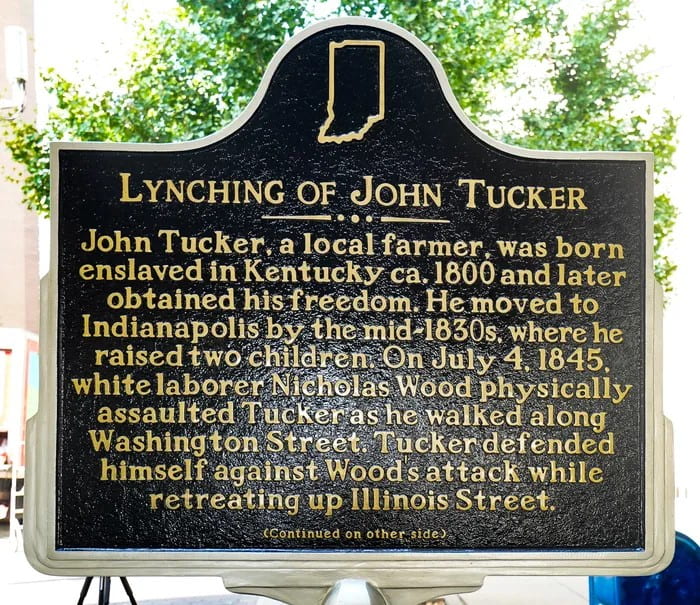
The lynching of John Tucker occurred on July 4, 1845, a day celebrated nationally as Independence Day but marked by brutality and injustice for Tucker and many other Black Americans living under slavery and racial terror. In 1845, the United States was still a slaveholding nation, and Black people, whether enslaved or free, had virtually no legal protection when accused of wrongdoing. Violence against them was common, and mob punishment was often accepted or encouraged by white communities.
John Tucker was a Black man living in the South during a time when even the accusation of a crime against a white person could result in immediate and deadly consequences. Historical accounts indicate that Tucker was accused of an offense that sparked outrage among white residents. Rather than allowing any formal legal process, the response was swift and driven by anger, fear, and racial hatred.
On July 4, a white mob gathered, using the holiday as both cover and justification for public violence. Crowds were common during lynchings in this era, and the act was meant to be seen. Tucker was seized and subjected to mob control, stripped of any chance to defend himself or prove his innocence. There was no trial, no jury, and no effort to confirm the truth of the accusation against him.
John Tucker was lynched in a public and deliberate manner. The killing was intended not only to end his life but to send a warning to other Black people in the area. Lynching in the mid-nineteenth century was a tool of terror, used to reinforce white dominance and suppress resistance. These acts were often carried out openly, with little fear of legal consequences for those involved.
No records indicate that anyone was held accountable for Tucker’s death. In 1845, lynching was rarely punished, especially when the victim was Black. Local authorities either supported the mob’s actions or refused to intervene. The legal system was designed to protect white citizens, not Black lives.
The impact of John Tucker’s lynching extended beyond that single day. His death reinforced a climate of fear within the Black community, reminding enslaved and free Black people alike that violence could be inflicted at any moment without warning or recourse. Families were left to grieve in silence, knowing that speaking out could lead to further harm.
The irony of John Tucker’s lynching taking place on Independence Day is impossible to ignore. While the nation celebrated freedom and liberty, Tucker was denied even the most basic human rights. His death exposes the deep contradictions at the heart of American history, where freedom was proclaimed loudly while denied violently to millions.
Remembering John Tucker today is important because his story represents countless others whose lives were taken before their names could be fully recorded or their stories preserved. His lynching on July 4, 1845 stands as a stark reminder of how racial violence was woven into the nation’s early history and how justice was systematically denied to Black Americans long before the Civil War.