
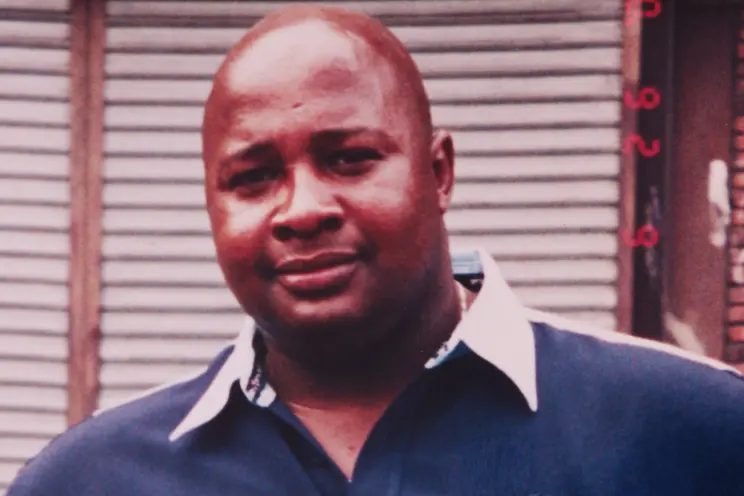
On the night of July 13, 2014, 45 year old Ronald Singleton was riding in a taxi in Manhattan when the driver became alarmed by his behavior and called 911 for help. Singleton was reportedly acting erratically and unpredictably, exhibiting signs of extreme agitation that raised concerns about his well-being and the safety of others nearby. According to reports, the cab driver stopped the vehicle near Midtown after becoming frightened by Singleton’s behavior and requested emergency assistance.
When officers from the New York City Police Department arrived, they encountered Singleton outside the taxi. Authorities later said he appeared to be emotionally disturbed and possibly under the influence of drugs. Witness accounts described him as sweating heavily and behaving in a manner consistent with extreme distress. Officers made the determination that Singleton needed medical evaluation rather than immediate arrest. However, before he could be transported, police attempted to restrain him due to concerns that he might harm himself or others.
Officers placed Singleton in a body restraint system, sometimes referred to as a “wrap,” which is designed to immobilize a person’s arms and legs when they are combative or unable to control their movements. The device is intended to reduce the risk of injury during transport. After being secured, Singleton was placed on a stretcher and loaded into an ambulance for transport to a hospital for psychiatric observation.
During the ambulance ride, Singleton went into cardiac arrest. Emergency medical personnel began life saving efforts, including CPR, but he was later pronounced dead at the hospital. The sudden collapse raised immediate questions about whether the restraint method or the physical struggle contributed to his death.
The New York City medical examiner later ruled Singleton’s death a homicide in the medical sense, meaning that it resulted from the actions of another party. The report listed contributing factors that included acute intoxication from PCP, physical restraint, and preexisting health conditions such as heart disease and obesity. Medical experts have long debated the risks associated with restraining individuals experiencing drug-induced agitation, particularly when substances like PCP are involved, as such drugs can elevate heart rate and stress the cardiovascular system.
City officials defended the officers’ actions, stating that they followed department protocols in handling emotionally disturbed individuals. Then-Police Commissioner William Bratton emphasized that the term homicide in a medical report does not necessarily imply criminal wrongdoing. Police union representatives also maintained that Singleton’s severe intoxication and underlying health issues played a significant role in the outcome.
Singleton’s family, however, expressed grief and frustration, questioning whether excessive force or improper restraint contributed to his death. They later filed a wrongful death lawsuit against the city, arguing that the actions taken during the encounter led to a preventable tragedy. In 2017, New York City agreed to pay approximately $1.25 million to settle the case without admitting liability.
Singleton’s death occurred just days before the highly publicized death of Eric Garner on Staten Island, which sparked nationwide protests and intense scrutiny of police tactics. Together, the two cases intensified debate about how law enforcement officers handle individuals experiencing mental health crises or drug-related episodes. Advocates called for expanded crisis intervention training, increased use of medical professionals during such calls, and closer review of restraint methods.
Although no criminal charges were filed in connection with Singleton’s death, the case remains part of the broader discussion about accountability and reform within the New York City policing system. For his family, the loss was deeply personal, and for the city, it became another moment in an ongoing conversation about balancing public safety, officer safety, and the medical risks that can arise during high stress encounters.