
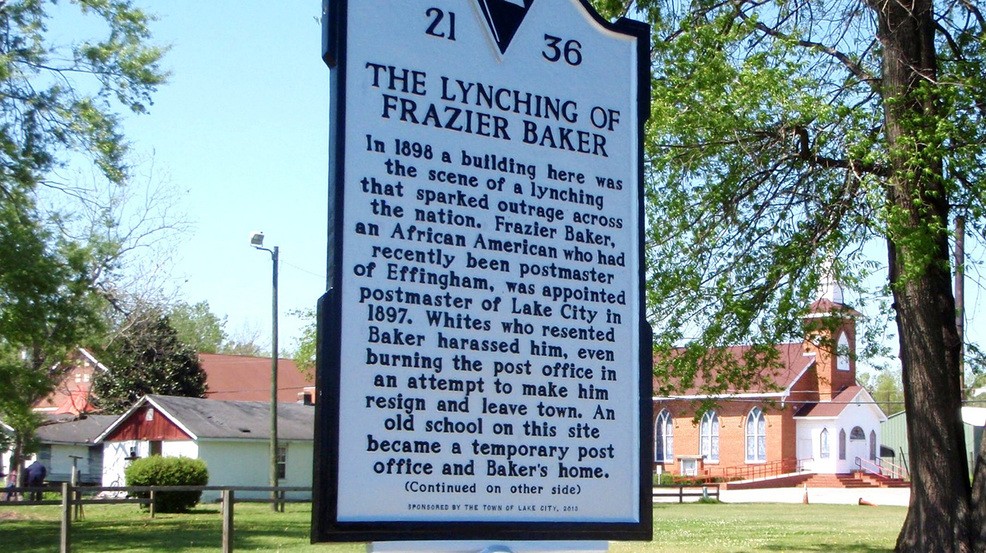
The lynching of Frazier Baker and the killing of his infant daughter Julia Baker in 1898 remains one of the most shocking acts of racial violence in the United States during the era of segregation and white supremacist terror that spread throughout the South in the late nineteenth century. The brutal attack took place in the small town of Lake City, and it exposed the deep hostility many white communities held toward African Americans who attempted to gain positions of authority or influence.
Frazier Baker was born in 1850 during a time when slavery was still legal in the United States. Like many African Americans who lived through the Civil War and the Reconstruction era that followed, Baker grew up during a period of dramatic change. After the end of slavery, many Black Americans worked to build lives through education, faith, and public service. Baker became known as a respected schoolteacher and community leader. He believed strongly in education and in the right of African Americans to participate in civic life.
In 1897, Baker received an appointment as postmaster in Lake City, South Carolina. The appointment was made by President William McKinley, whose administration often placed Republican supporters in federal positions throughout the country. During this time, postmaster positions were important roles within local communities. The post office was a central hub for communication, commerce, and government interaction. Holding the position meant managing mail distribution and representing the federal government in the town.
For many white residents of Lake City, the idea of a Black man serving in such a role was unacceptable. The late nineteenth century saw the rapid growth of Jim Crow laws, which were designed to enforce racial separation and maintain white dominance throughout the South. African Americans who held positions of authority were often viewed as threats to that racial order.
From the moment Baker assumed the postmaster position, he faced hostility. Many white residents refused to use the post office because they did not want to interact with a Black official. Some openly demanded that he resign. Baker and his family began receiving threats and intimidation almost immediately.
The tension grew worse when the building that served as the original post office was burned down by arsonists who opposed Baker’s presence in the position. Instead of resigning, Baker moved the post office into his own home. This decision allowed him to continue performing his duties while also trying to protect his family, though it placed them directly in the center of the conflict.
Baker’s refusal to give up his job angered many white residents even further. In their view, a Black man holding a federal position challenged the social hierarchy they were determined to maintain. Local hostility intensified over the months that followed, and threats against Baker became more serious.
On the night of February 21, 1898, the tension turned into deadly violence. A mob of armed white men gathered outside the Baker family’s home. The house also served as the town’s post office, making it a symbolic target for those who opposed Baker’s authority.
The mob surrounded the house and set it on fire. As flames spread through the building, the Baker family was trapped inside. The attackers waited outside with guns, determined to prevent the family from escaping safely.
Inside the burning home were Frazier Baker, his wife Lavinia Baker, and their children. As the fire grew stronger, Baker attempted to lead his family out of the house. When he stepped outside, the mob opened fire on him.
Baker was shot multiple times and died outside the burning building. The attackers then fired into the home as members of the family attempted to escape the flames.
During the gunfire, Baker’s infant daughter Julia was struck by a bullet. She had been in her mother’s arms when the shot hit her. The baby died as a result of the gunshot wound. Several other members of the Baker family were injured during the attack, including Lavinia Baker, who survived but was left wounded and traumatized by the horrifying event.
The mob eventually fled the scene, leaving the house destroyed and the family devastated. The brutal attack shocked observers both locally and nationally. Newspapers across the country reported on the killing of a federal postmaster and the death of his infant daughter.
At a time when many lynchings were ignored by authorities, the Baker case received greater attention because Baker had been a federal official. The federal government opened an investigation into the attack, and several white men were arrested in connection with the crime.
The trial took place in federal court in 1899. Witnesses, including members of the Baker family who survived the attack, testified about what had happened that night. Evidence suggested that the mob had been organized and that several individuals had taken part in the burning of the home and the shooting.
However, the trial revealed the deep racial divisions that existed in the South at the time. The jury was composed entirely of white men, many of whom came from communities where racial violence against African Americans was rarely punished.
Despite testimony and evidence, the jury failed to convict any of the defendants. Some jurors reportedly sympathized with the attackers, while others refused to convict white men for crimes against Black victims. The jury ultimately could not reach a unanimous decision, and the case ended in a mistrial.
With no convictions, the men accused of participating in the mob were released, and no one was ever held accountable for the murders of Frazier Baker and his infant daughter.
The case became one of the many examples of how the justice system often failed African Americans during the era of racial terror. Between the late 1800s and early 1900s, thousands of Black men, women, and even children were killed by mobs across the United States. These acts of violence were often intended to intimidate African Americans and discourage them from voting, holding office, owning property, or asserting their rights.
The killing of Julia Baker was especially disturbing to observers because she was an innocent infant who had no connection to the political conflict surrounding her father’s job. Her death demonstrated the extreme cruelty of mob violence and the willingness of attackers to harm even the most vulnerable victims.
Civil rights advocates and Black newspapers used the Baker case to highlight the dangers African Americans faced when trying to participate in public life. The incident became part of the broader national conversation about lynching and the need for federal protection of civil rights.
Although the Baker family suffered unimaginable loss, their story continues to be remembered as part of the long history of racial injustice in the United States. The deaths of Frazier Baker and Julia Baker serve as reminders of the violent resistance that many African Americans faced when they attempted to claim their rights and dignity during the Jim Crow era.
Today, historians and civil rights scholars study the Baker lynching as an example of how racial hatred and mob violence were used to enforce segregation and suppress Black advancement. Remembering their story helps shed light on the struggles that shaped the fight for civil rights in America and honors the memory of those who lost their lives in the pursuit of equality.
The lynching of Frazier Baker and the killing of his infant daughter Julia Baker in 1898 remains one of the most shocking acts of racial violence in the United States during the era of segregation and white supremacist terror that spread throughout the South in the late nineteenth century. The brutal attack took place in the small town of Lake City, and it exposed the deep hostility many white communities held toward African Americans who attempted to gain positions of authority or influence.
Frazier Baker was born in 1850 during a time when slavery was still legal in the United States. Like many African Americans who lived through the Civil War and the Reconstruction era that followed, Baker grew up during a period of dramatic change. After the end of slavery, many Black Americans worked to build lives through education, faith, and public service. Baker became known as a respected schoolteacher and community leader. He believed strongly in education and in the right of African Americans to participate in civic life.
In 1897, Baker received an appointment as postmaster in Lake City, South Carolina. The appointment was made by President William McKinley, whose administration often placed Republican supporters in federal positions throughout the country. During this time, postmaster positions were important roles within local communities. The post office was a central hub for communication, commerce, and government interaction. Holding the position meant managing mail distribution and representing the federal government in the town.
For many white residents of Lake City, the idea of a Black man serving in such a role was unacceptable. The late nineteenth century saw the rapid growth of Jim Crow laws, which were designed to enforce racial separation and maintain white dominance throughout the South. African Americans who held positions of authority were often viewed as threats to that racial order.
From the moment Baker assumed the postmaster position, he faced hostility. Many white residents refused to use the post office because they did not want to interact with a Black official. Some openly demanded that he resign. Baker and his family began receiving threats and intimidation almost immediately.
The tension grew worse when the building that served as the original post office was burned down by arsonists who opposed Baker’s presence in the position. Instead of resigning, Baker moved the post office into his own home. This decision allowed him to continue performing his duties while also trying to protect his family, though it placed them directly in the center of the conflict.
Baker’s refusal to give up his job angered many white residents even further. In their view, a Black man holding a federal position challenged the social hierarchy they were determined to maintain. Local hostility intensified over the months that followed, and threats against Baker became more serious.
On the night of February 21, 1898, the tension turned into deadly violence. A mob of armed white men gathered outside the Baker family’s home. The house also served as the town’s post office, making it a symbolic target for those who opposed Baker’s authority.
The mob surrounded the house and set it on fire. As flames spread through the building, the Baker family was trapped inside. The attackers waited outside with guns, determined to prevent the family from escaping safely.
Inside the burning home were Frazier Baker, his wife Lavinia Baker, and their children. As the fire grew stronger, Baker attempted to lead his family out of the house. When he stepped outside, the mob opened fire on him.
Baker was shot multiple times and died outside the burning building. The attackers then fired into the home as members of the family attempted to escape the flames.
During the gunfire, Baker’s infant daughter Julia was struck by a bullet. She had been in her mother’s arms when the shot hit her. The baby died as a result of the gunshot wound. Several other members of the Baker family were injured during the attack, including Lavinia Baker, who survived but was left wounded and traumatized by the horrifying event.
The mob eventually fled the scene, leaving the house destroyed and the family devastated. The brutal attack shocked observers both locally and nationally. Newspapers across the country reported on the killing of a federal postmaster and the death of his infant daughter.
At a time when many lynchings were ignored by authorities, the Baker case received greater attention because Baker had been a federal official. The federal government opened an investigation into the attack, and several white men were arrested in connection with the crime.
The trial took place in federal court in 1899. Witnesses, including members of the Baker family who survived the attack, testified about what had happened that night. Evidence suggested that the mob had been organized and that several individuals had taken part in the burning of the home and the shooting.
However, the trial revealed the deep racial divisions that existed in the South at the time. The jury was composed entirely of white men, many of whom came from communities where racial violence against African Americans was rarely punished.
Despite testimony and evidence, the jury failed to convict any of the defendants. Some jurors reportedly sympathized with the attackers, while others refused to convict white men for crimes against Black victims. The jury ultimately could not reach a unanimous decision, and the case ended in a mistrial.
With no convictions, the men accused of participating in the mob were released, and no one was ever held accountable for the murders of Frazier Baker and his infant daughter.
The case became one of the many examples of how the justice system often failed African Americans during the era of racial terror. Between the late 1800s and early 1900s, thousands of Black men, women, and even children were killed by mobs across the United States. These acts of violence were often intended to intimidate African Americans and discourage them from voting, holding office, owning property, or asserting their rights.
The killing of Julia Baker was especially disturbing to observers because she was an innocent infant who had no connection to the political conflict surrounding her father’s job. Her death demonstrated the extreme cruelty of mob violence and the willingness of attackers to harm even the most vulnerable victims.
Civil rights advocates and Black newspapers used the Baker case to highlight the dangers African Americans faced when trying to participate in public life. The incident became part of the broader national conversation about lynching and the need for federal protection of civil rights.
Although the Baker family suffered unimaginable loss, their story continues to be remembered as part of the long history of racial injustice in the United States. The deaths of Frazier Baker and Julia Baker serve as reminders of the violent resistance that many African Americans faced when they attempted to claim their rights and dignity during the Jim Crow era.
Today, historians and civil rights scholars study the Baker lynching as an example of how racial hatred and mob violence were used to enforce segregation and suppress Black advancement. Remembering their story helps shed light on the struggles that shaped the fight for civil rights in America and honors the memory of those who lost their lives in the pursuit of equality.
The lynching of Frazier Baker and the killing of his infant daughter Julia Baker in 1898 remains one of the most shocking acts of racial violence in the United States during the era of segregation and white supremacist terror that spread throughout the South in the late nineteenth century. The brutal attack took place in the small town of Lake City, and it exposed the deep hostility many white communities held toward African Americans who attempted to gain positions of authority or influence.
Frazier Baker was born in 1850 during a time when slavery was still legal in the United States. Like many African Americans who lived through the Civil War and the Reconstruction era that followed, Baker grew up during a period of dramatic change. After the end of slavery, many Black Americans worked to build lives through education, faith, and public service. Baker became known as a respected schoolteacher and community leader. He believed strongly in education and in the right of African Americans to participate in civic life.
In 1897, Baker received an appointment as postmaster in Lake City, South Carolina. The appointment was made by President William McKinley, whose administration often placed Republican supporters in federal positions throughout the country. During this time, postmaster positions were important roles within local communities. The post office was a central hub for communication, commerce, and government interaction. Holding the position meant managing mail distribution and representing the federal government in the town.
For many white residents of Lake City, the idea of a Black man serving in such a role was unacceptable. The late nineteenth century saw the rapid growth of Jim Crow laws, which were designed to enforce racial separation and maintain white dominance throughout the South. African Americans who held positions of authority were often viewed as threats to that racial order.
From the moment Baker assumed the postmaster position, he faced hostility. Many white residents refused to use the post office because they did not want to interact with a Black official. Some openly demanded that he resign. Baker and his family began receiving threats and intimidation almost immediately.
The tension grew worse when the building that served as the original post office was burned down by arsonists who opposed Baker’s presence in the position. Instead of resigning, Baker moved the post office into his own home. This decision allowed him to continue performing his duties while also trying to protect his family, though it placed them directly in the center of the conflict.
Baker’s refusal to give up his job angered many white residents even further. In their view, a Black man holding a federal position challenged the social hierarchy they were determined to maintain. Local hostility intensified over the months that followed, and threats against Baker became more serious.
On the night of February 21, 1898, the tension turned into deadly violence. A mob of armed white men gathered outside the Baker family’s home. The house also served as the town’s post office, making it a symbolic target for those who opposed Baker’s authority.
The mob surrounded the house and set it on fire. As flames spread through the building, the Baker family was trapped inside. The attackers waited outside with guns, determined to prevent the family from escaping safely.
Inside the burning home were Frazier Baker, his wife Lavinia Baker, and their children. As the fire grew stronger, Baker attempted to lead his family out of the house. When he stepped outside, the mob opened fire on him.
Baker was shot multiple times and died outside the burning building. The attackers then fired into the home as members of the family attempted to escape the flames.
During the gunfire, Baker’s infant daughter Julia was struck by a bullet. She had been in her mother’s arms when the shot hit her. The baby died as a result of the gunshot wound. Several other members of the Baker family were injured during the attack, including Lavinia Baker, who survived but was left wounded and traumatized by the horrifying event.
The mob eventually fled the scene, leaving the house destroyed and the family devastated. The brutal attack shocked observers both locally and nationally. Newspapers across the country reported on the killing of a federal postmaster and the death of his infant daughter.
At a time when many lynchings were ignored by authorities, the Baker case received greater attention because Baker had been a federal official. The federal government opened an investigation into the attack, and several white men were arrested in connection with the crime.
The trial took place in federal court in 1899. Witnesses, including members of the Baker family who survived the attack, testified about what had happened that night. Evidence suggested that the mob had been organized and that several individuals had taken part in the burning of the home and the shooting.
However, the trial revealed the deep racial divisions that existed in the South at the time. The jury was composed entirely of white men, many of whom came from communities where racial violence against African Americans was rarely punished.
Despite testimony and evidence, the jury failed to convict any of the defendants. Some jurors reportedly sympathized with the attackers, while others refused to convict white men for crimes against Black victims. The jury ultimately could not reach a unanimous decision, and the case ended in a mistrial.
With no convictions, the men accused of participating in the mob were released, and no one was ever held accountable for the murders of Frazier Baker and his infant daughter.
The case became one of the many examples of how the justice system often failed African Americans during the era of racial terror. Between the late 1800s and early 1900s, thousands of Black men, women, and even children were killed by mobs across the United States. These acts of violence were often intended to intimidate African Americans and discourage them from voting, holding office, owning property, or asserting their rights.
The killing of Julia Baker was especially disturbing to observers because she was an innocent infant who had no connection to the political conflict surrounding her father’s job. Her death demonstrated the extreme cruelty of mob violence and the willingness of attackers to harm even the most vulnerable victims.
Civil rights advocates and Black newspapers used the Baker case to highlight the dangers African Americans faced when trying to participate in public life. The incident became part of the broader national conversation about lynching and the need for federal protection of civil rights.
Although the Baker family suffered unimaginable loss, their story continues to be remembered as part of the long history of racial injustice in the United States. The deaths of Frazier Baker and Julia Baker serve as reminders of the violent resistance that many African Americans faced when they attempted to claim their rights and dignity during the Jim Crow era.
Today, historians and civil rights scholars study the Baker lynching as an example of how racial hatred and mob violence were used to enforce segregation and suppress Black advancement. Remembering their story helps shed light on the struggles that shaped the fight for civil rights in America and honors the memory of those who lost their lives in the pursuit of equality.