
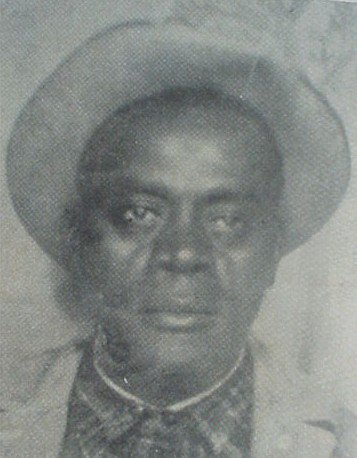
Lamar “Ditney” Smith was a 63-year-old Black farmer, World War I veteran, and civil rights activist living in Brookhaven, Mississippi, when he was murdered in August 1955. His killing occurred during a period when Black political participation in the South was met with intimidation and violence, particularly in Mississippi, where white officials worked aggressively to maintain segregation and suppress the Black vote.
Smith was known in his community for encouraging African Americans to register and vote. He was involved with local voter registration efforts and helped Black residents understand absentee ballots, which were often used as a way to avoid harassment at polling places. Earlier that month, Smith had voted in the Democratic primary, an act that was considered especially threatening to segregationists because the Democratic Party dominated Mississippi politics at the time.
On the morning of August 13, 1955, Smith went to the Lincoln County Courthouse in Brookhaven to assist with election-related paperwork and deliver absentee ballots. While standing on the courthouse lawn in broad daylight, he was confronted by white men who opposed his political activities. In front of numerous witnesses, one of the men pulled out a handgun and shot Smith at close range. Smith collapsed on the courthouse grounds and was left bleeding. Despite the presence of bystanders and local law enforcement nearby, no one intervened to help him. Smith died from his wounds shortly afterward.
The killing shocked the Black community but was met with silence and fear among white witnesses. Three white men were arrested days later, yet when the case went before an all-white grand jury, witnesses claimed they had seen nothing or could not remember what happened. No indictments were issued, and no one was ever prosecuted for Smith’s murder. Subsequent grand juries failed to take action, reflecting the deeply entrenched racism of the legal system in Mississippi at the time.
Smith’s murder became another example of how racial violence was used to block African Americans from exercising their constitutional rights. Coming just weeks before the widely publicized killing of Emmett Till, his death received far less national attention, even though it was directly connected to the fight for voting rights. For decades, the case remained unresolved, and those responsible lived out their lives without facing justice.
In later years, historians and civil rights advocates revisited Lamar Smith’s story as part of a broader effort to acknowledge victims of racial terror. His death is now recognized as a lynching tied to voter suppression, and it stands as a reminder of the dangers faced by Black Americans who challenged segregation and demanded political equality in the Jim Crow South.