
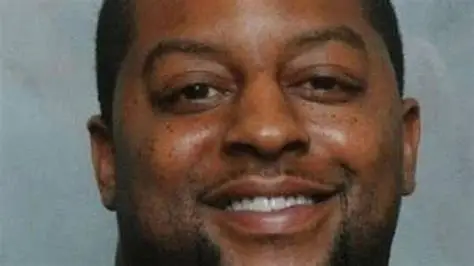
Calvon Andre Reid was a 39-year-old father of two whose death in 2015 brought national attention to the dangers of repeated Taser use and raised serious concerns about police practices, training, and accountability. His case became part of the broader national conversation about the use of force during encounters with law enforcement and the risks faced by individuals experiencing medical or mental distress.
In the early morning hours of February 22, 2015, emergency services were called to the Wynmoor retirement community in Coconut Creek, Florida, after residents noticed that Reid appeared to be in distress and possibly in need of medical assistance. According to reports, Reid had entered the gated community and was seen behaving erratically, knocking on doors and asking for help. Witnesses later said that he appeared frightened and disoriented, suggesting he may have been experiencing a medical or psychological crisis.
When police officers and paramedics arrived at the scene, they attempted to assess Reid’s condition and provide medical aid. Authorities later stated that Reid became uncooperative and resisted their attempts to help him. Officers claimed he was acting aggressively and refused commands. However, several witnesses offered a different account, saying that Reid appeared confused and frightened rather than violent. Some residents reported hearing him repeatedly say that he could not breathe and that he was afraid he was going to die.
As the situation escalated, multiple officers used Tasers in an effort to subdue him. Reports indicated that Reid was shocked several times during the encounter. Witnesses described seeing him fall, struggle to get back up, and then be shocked again. Some accounts stated that he was struck in the chest area, which is considered a higher-risk location for electroshock. During the incident, Reid reportedly cried out that he was in distress and needed help.
After the repeated Taser deployments, Reid collapsed and became unresponsive. Emergency personnel transported him to a nearby hospital, where he was placed on life support. Despite medical efforts to stabilize him, Calvon Reid died two days later, on February 24, 2015.
The Broward County Medical Examiner later ruled his death a homicide. The official cause of death was listed as complications from the use of an electro-muscular disruption device, commonly known as a Taser. The medical examiner’s report also noted contributing factors, including the presence of cocaine and alcohol in his system and an enlarged heart. However, the ruling made clear that the Taser exposure played a central role in the chain of events that led to his death.
The homicide ruling intensified public scrutiny of the incident. Questions quickly emerged about whether the level of force used was appropriate for someone who may have been experiencing a medical emergency. Additional concerns arose when it was revealed that three of the four officers involved did not have current Taser certifications at the time of the incident, raising issues about training and compliance with department policies.
The incident sparked community outrage and protests, with civil rights advocates and local residents demanding accountability and reforms in police use of force policies. Many questioned whether alternative methods, such as crisis intervention or de-escalation techniques, could have prevented the fatal outcome.
In the months that followed, the Coconut Creek Police Department faced significant criticism. The department’s leadership came under pressure, and the police chief eventually resigned amid the controversy. Reid’s family, grieving the loss of their loved one, filed a wrongful death lawsuit against the city and the officers involved. They argued that excessive force was used and that the situation was mishandled from the beginning. The family also raised concerns about whether racial bias may have influenced the officers actions.
Despite the medical examiner’s homicide ruling, a Broward County grand jury later decided not to file criminal charges against the officers. Internal police investigations also concluded that the officers had acted within departmental guidelines. The decision not to prosecute left Reid’s family and many community members deeply disappointed and frustrated, feeling that justice had not been fully served.
Calvon Reid’s death became part of a growing national debate over the safety of Tasers and their classification as “less-lethal” weapons. While Tasers are designed to reduce the need for firearms, medical experts and civil rights organizations have long warned that repeated shocks, prolonged exposure, or use on individuals with underlying health conditions or substance-related complications can be dangerous or even fatal.
Today, Reid’s case remains a powerful reminder of the risks that can arise when force is used during encounters with individuals in medical or psychological distress. His death is often cited in discussions about the need for better police training, improved crisis response strategies, stronger oversight, and greater transparency in use of force investigations.
For his family, Calvon Reid was more than a headline. He was a father, a son, and a loved one whose life ended under tragic circumstances. His story continues to be remembered by those who advocate for reforms aimed at preventing similar deaths and ensuring that future encounters between law enforcement and vulnerable individuals are handled with greater care, restraint, and accountability.