
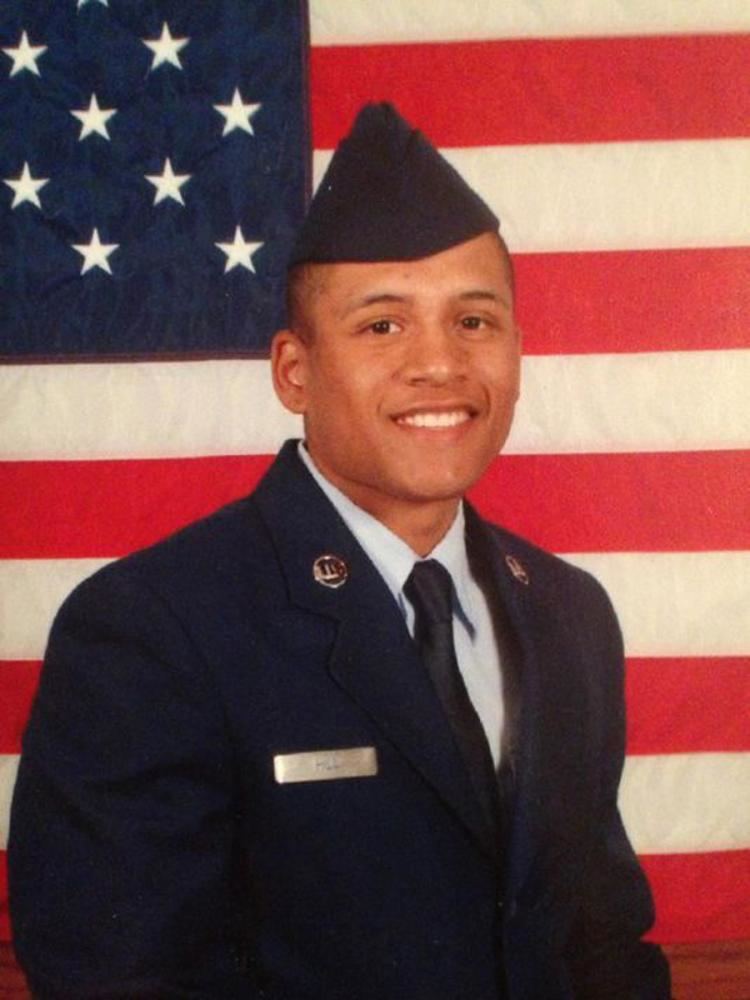
Anthony Hill was 26 years old at the time of his death. He was a United States Air Force veteran who had served his country with honor, including a deployment to Afghanistan. Those who knew him described him as a gentle, thoughtful, and creative young man. He had a love for music, art, and writing, and family members said he had a sensitive spirit and a kind heart. After returning from military service, however, Hill struggled with the difficult transition back to civilian life. Like many veterans, he carried emotional and psychological wounds from his experiences.
Hill had been diagnosed with bipolar disorder and post-traumatic stress disorder (PTSD). These conditions affected his stability and required ongoing treatment and medication. His family worked closely with him to help him manage his mental health, and there were periods when he was doing well. But the challenges of living with severe mental illness were ongoing. Friends and relatives said that when he stayed on his medication and treatment plan, he was calm, creative, and hopeful about his future. They remembered him as someone who loved deeply and wanted to live a peaceful life.
On March 9, 2015, Anthony Hill began experiencing a severe mental health crisis at the apartment complex where he lived on Chamblee Tucker Road in Chamblee, Georgia, in DeKalb County. Reports later indicated that he had stopped taking his prescribed medication, which contributed to a psychological episode. That afternoon, his behavior became increasingly erratic. Witnesses said he appeared confused, frightened, and disconnected from reality.
During the episode, Hill removed his clothing and began wandering through the apartment complex naked. He knocked on doors and attempted to speak with residents. Some people were alarmed and unsure how to respond, while others later said he did not appear violent or aggressive, only distressed and disoriented. Several calls were made to 911 by residents and property staff, reporting that a man was behaving strangely and needed assistance.
According to witness accounts, Hill seemed to believe help was coming when he learned that police had been called. Some residents later recalled that he appeared relieved at the idea that someone would come to assist him.
DeKalb County Police Officer Robert “Chip” Olsen, a seven-year veteran of the department, responded to the call shortly after 1:00 p.m. When Olsen arrived at the scene, he encountered Hill in an open grassy area of the apartment complex. Olsen exited his patrol vehicle with his firearm drawn and gave commands for Hill to stop.
Investigators later reported that Hill began moving toward the officer. Olsen fired two shots, striking Hill in the torso. Hill was unarmed, naked, and had no weapon of any kind. He died at the scene from his injuries.
The shooting quickly drew widespread attention because of the circumstances. Olsen was equipped with several less-lethal options, including a Taser, baton, and pepper spray, but none were used. Community members, civil rights organizations, and mental health advocates questioned whether deadly force was necessary against an unarmed man who was clearly experiencing a psychiatric crisis.
The Georgia Bureau of Investigation conducted an independent inquiry into the shooting. In January 2016, a grand jury indicted Olsen on multiple charges, including felony murder, aggravated assault, violation of oath of office, and making false statements. The case became one of the relatively rare instances in which a police officer faced criminal charges in a fatal on-duty shooting.
The legal process took several years. In 2019, Olsen went to trial. After hearing testimony from witnesses, experts, and investigators, the jury found him not guilty of felony murder but convicted him of aggravated assault, two counts of violating his oath of office, and making a false statement. Prosecutors argued that Olsen acted unreasonably by using deadly force instead of attempting de-escalation or less-lethal methods. The defense maintained that Olsen believed Hill posed an immediate threat and that he acted in self-defense.
Olsen was sentenced to prison time along with probation. However, the legal battle did not end there. In 2024, the Georgia Court of Appeals overturned the aggravated assault conviction, ruling that improper evidence related to departmental policies had been presented during the trial. The case was returned to the courts for further action.
In 2025, Olsen reached a plea agreement with prosecutors, pleading guilty to aggravated assault. He received a sentence that credited him for time already served and required additional probation. The agreement brought a measure of legal closure after nearly a decade of court proceedings, appeals, and public debate.
Beyond the courtroom, Anthony Hill’s death became part of a larger national conversation about policing and mental health. Advocates pointed out that law enforcement officers are often the first responders to mental health emergencies, even though they may not have the specialized training needed to handle psychiatric crises safely. Hill’s case was frequently cited by those calling for expanded Crisis Intervention Team (CIT) training, the use of mental health professionals in emergency responses, and the development of alternative crisis response systems.
His death also highlighted the struggles faced by military veterans coping with trauma, PTSD, and reintegration into civilian life. Supporters emphasized the need for stronger mental health services for veterans and better coordination between healthcare providers, families, and community resources.
For Anthony Hill’s family, the loss was deeply personal and devastating. They remembered him not as a headline or a case number, but as a son, brother, and veteran who served his country and who needed compassion during a moment of severe mental distress. They have spoken publicly about the importance of mental health awareness and the need for more humane responses to people in crisis.
Today, Anthony Hill’s story remains a powerful and tragic example of the consequences that can occur when mental illness, inadequate crisis response, and the use of force intersect. His life is remembered for his service, his creativity, and the kindness those close to him say defined him. His death continues to influence ongoing discussions about police accountability, mental health reform, and the need to ensure that people experiencing psychological emergencies receive care, understanding, and protection rather than fatal outcomes