
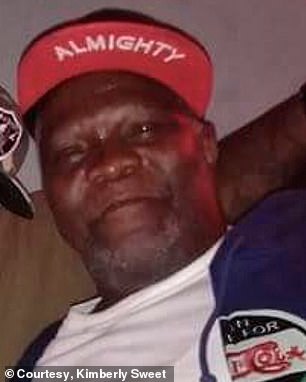
George Robinson was a 62-year-old Black man whose death after a violent encounter with police officers in Jackson, Mississippi, became a painful example of the dangers of excessive force and the ongoing concerns about accountability in law enforcement. His case drew local and national attention and raised serious questions about how police interactions with elderly and medically vulnerable individuals are handled.
On January 13, 2019, officers with the Jackson Police Department were canvassing neighborhoods while searching for information related to the fatal shooting of a local pastor earlier that day. During their patrol, three officers approached Robinson, who was sitting inside his car outside his home in the Washington Addition community, a neighborhood where he had lived for years.
According to prosecutors, witnesses, and later court testimony, the officers ordered Robinson to get out of his vehicle. Robinson had recently suffered a stroke and had physical limitations that affected his mobility and responsiveness. Family members later explained that he moved slowly and sometimes had difficulty understanding or reacting quickly to instructions.
When Robinson did not exit the vehicle quickly enough, officers pulled him from the car. Prosecutors said the situation quickly escalated. Robinson was thrown to the ground headfirst onto the pavement. Witnesses reported that the officers struck him, kicked him, and used significant force while he was on the ground. Neighbors who saw the encounter described it as violent and excessive, saying Robinson did not appear to pose a serious threat.
After the incident, Robinson was treated at the scene by emergency medical personnel. Despite the force used against him, he was charged with misdemeanor offenses, including resisting arrest and failure to comply with a police officer. He was later released and returned home.
Within hours of his release, Robinson’s condition began to deteriorate. His girlfriend later found him unresponsive. He was rushed to a local hospital, where doctors discovered severe head injuries, including bleeding on the brain. Robinson died on January 15, 2019, two days after the encounter.
An autopsy conducted by the state medical examiner ruled his death a homicide caused by blunt force trauma to the head. The findings intensified public concern and prompted calls for a full investigation.
The case led to a grand jury indictment in 2020. The three officers involved—Desmond Barney, Lincoln Lampley, and Anthony Fox—were charged with second-degree murder. The charges were significant, reflecting the seriousness of the injuries Robinson suffered and the circumstances surrounding the arrest.
Legal proceedings that followed were lengthy and complex. One of the officers, Anthony Fox, was later convicted of culpable negligence manslaughter and initially sentenced to prison. However, the conviction was later overturned on appeal due to questions about the sufficiency of the evidence. The other officers faced legal challenges as well, and the criminal cases did not result in lasting prison sentences.
In addition to the criminal proceedings, Robinson’s family pursued a civil wrongful death lawsuit against the City of Jackson and the officers involved. The lawsuit argued that excessive force and improper conduct led directly to Robinson’s death. In 2024, the city agreed to a financial settlement with the family. While the settlement provided some compensation, it did not include an admission of wrongdoing.
For Robinson’s loved ones and members of the community, the outcome left mixed emotions. Family members described him as a quiet man who enjoyed spending time at home and was still recovering from serious health issues at the time of the encounter. Community advocates pointed to his age and medical condition as factors that should have required greater caution and restraint from officers.
The death of George Robinson sparked protests, community meetings, and renewed discussions about police training, use-of-force policies, and the need for stronger oversight. Many residents expressed concern about how quickly routine encounters can escalate and emphasized the importance of de-escalation, especially when dealing with elderly individuals or those with medical impairments.
Robinson’s case remains part of the broader national conversation about policing, accountability, and justice. His death is remembered by advocates as a reminder of the importance of protecting the dignity and safety of every person during police interactions. For his family and community, the loss continues to represent both personal grief and a call for meaningful change to prevent similar tragedies in the future.