
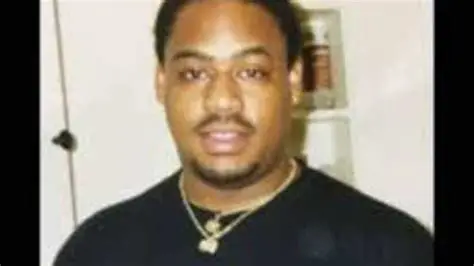
Sean Moore was a 46 year old Black man whose encounter with San Francisco police became one of the city’s most controversial use of force cases and later raised serious questions about policing, mental health response, and accountability. His story did not end the night he was shot. Years later, the wounds from that encounter would ultimately lead to his death, turning a police shooting into a fatal case that drew national attention.
The incident took place in the early morning hours of January 6, 2017, at Moore’s home in San Francisco’s Oceanview neighborhood. Police officers were called to the residence after a neighbor complained that Moore was violating a restraining order connected to ongoing disputes. According to family members and court records, Moore had a long history of mental illness, including schizophrenia, and those who knew him said he struggled at times with paranoia and emotional instability.
When officers arrived, Moore was inside his home and refused to come outside. Body camera footage and official reports later showed that the interaction quickly became tense. Officers shouted commands and attempted to get Moore to comply. Instead of slowing the situation down, the encounter escalated. Police used pepper spray and attempted to physically remove him from the doorway area of his residence.
As the confrontation moved onto the steps of the home, a physical struggle broke out. Moore swung his arms and resisted as officers attempted to restrain him. During the struggle, one officer lost balance and fell down the stairs. At that moment, Officer Kenneth Cha drew his firearm and fired two shots, striking Moore in the abdomen. Moore was unarmed.
Moore survived the shooting but suffered devastating internal injuries. He underwent emergency medical treatment and surgeries to repair damage to his liver and intestines. The shooting left him with permanent complications that would affect his health for the rest of his life. For his family, the incident marked the beginning of a long period of pain, legal battles, and unanswered questions about whether the situation could have been handled differently.
Following the shooting, Moore was later incarcerated on an unrelated matter and transferred to San Quentin State Prison. While in custody, his health continued to decline. Scar tissue from the gunshot wounds caused severe complications in his digestive system. On January 16, 2020, three years after the shooting, Sean Moore died in prison.
The medical examiner ruled his death a homicide, concluding that the gunshot injuries and the resulting internal damage led to a fatal intestinal obstruction. The ruling transformed the case from a non-fatal police shooting into a death directly linked to the actions of the officer.
The case soon became a major test of accountability for the San Francisco Police Department. In 2021, then-District Attorney Chesa Boudin filed voluntary manslaughter charges against Officer Cha. Prosecutors argued that the officer’s actions were unreasonable and that the situation had been escalated unnecessarily. They pointed to evidence suggesting that officers repeatedly advanced up the stairs toward Moore instead of creating distance and attempting de-escalation, particularly given his apparent mental health crisis.
Civil rights advocates and community members rallied behind Moore’s family, saying the case reflected broader problems with how police respond to people experiencing mental illness. Many argued that mental health professionals or crisis intervention teams could have prevented the situation from turning violent.
However, the criminal case did not ultimately go forward. In 2023, the new San Francisco District Attorney dropped the charges, stating that prosecutors could not prove beyond a reasonable doubt that the officer did not act in self-defense during the struggle. The decision angered Moore’s family and supporters, who said the legal system had failed to deliver justice.
While the criminal case was dismissed, the city faced civil consequences. San Francisco agreed to pay Moore’s family a $3.25 million settlement in a federal civil rights lawsuit. The settlement was one of the largest police-related payouts in the city in recent years and reflected the city’s recognition of the seriousness of the case.
For Moore’s family, the settlement did not erase their loss. They continued to speak publicly about the need for better training, stronger de-escalation practices, and alternative responses for people experiencing mental health crises. Advocates also cited Moore’s case as an example of how the consequences of police force can extend far beyond the moment a weapon is fired.
The death of Sean Moore remains part of a larger conversation taking place across the country about police use of force, mental health response, and accountability when encounters turn deadly. His story illustrates how a call that began as a neighborhood complaint escalated into a violent confrontation, years of medical suffering, and ultimately a loss of life.
Today, the case continues to be referenced in discussions about reform, the need for crisis intervention alternatives, and the importance of preventing situations involving vulnerable individuals from becoming fatal encounters. For those who followed the case, Sean Moore’s life and death serve as a reminder of the lasting human impact behind debates about policing and public safety.