
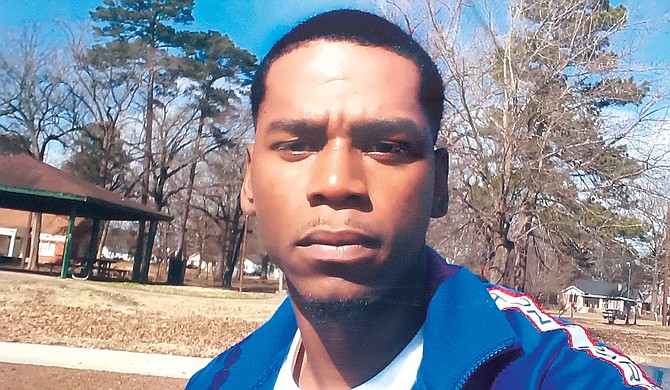
The death of Mario Clark, a 31 year old man from Jackson, stands as one of the most deeply troubling cases involving police force and mental health in recent years. What began as a family’s attempt to get help during a crisis ended in tragedy, raising difficult questions about how communities respond to individuals in distress.
Mario Clark was known by those close to him as someone who struggled with mental illness but was still deeply loved by his family. He had reportedly been diagnosed with paranoid schizophrenia, a condition that can cause severe episodes of fear, confusion, and disconnection from reality. Like many families dealing with mental illness, Clark’s loved ones often found themselves in situations where they needed outside help to keep him safe.
On February 14, 2019, that need became urgent. Clark was experiencing a mental health episode inside his home. According to his family, he was not acting violently toward others, but his behavior was concerning enough that his mother felt she had no choice but to call for assistance. Her intention was not to have her son arrested or harmed, but to get him transported to a hospital where he could receive care and stabilization.
When officers from the Jackson Police Department arrived, the situation quickly escalated. What should have been a medical intervention turned into a physical confrontation. Accounts from family members and later legal filings allege that Clark was restrained but then subjected to repeated blows. Witnesses claimed he was punched, kicked, and handled with a level of force that seemed unnecessary given his condition.
The details of those moments remain at the center of controversy, but what is not disputed is that Clark was taken into custody and suffered serious injuries during the encounter. Instead of being transported for mental health treatment, he was left in a condition that would soon become critical.
In the days following the incident, Clark’s health deteriorated. He was eventually placed on life support as doctors worked to stabilize him. For his family, those days were filled with confusion, anger, and heartbreak. They had reached out for help, believing authorities would protect their son, yet now they were watching him fight for his life.
On February 20, 2019, just six days after the initial encounter, Mario Clark died.
An autopsy later ruled his death a homicide. The official findings pointed to strangulation and suffocation, along with injuries consistent with physical force. This ruling intensified public concern and validated what Clark’s family had been saying from the beginning, that his death was not the result of natural causes or unavoidable circumstances, but of actions taken during his arrest.
The case quickly drew attention within Jackson and beyond. Community members organized vigils and called for accountability. For many, Clark’s death highlighted a pattern seen across the country, where individuals experiencing mental health crises are met with law enforcement responses rather than medical care.
Advocates argued that Clark’s situation required trained mental health professionals, not police intervention. His death became part of a larger conversation about the gaps in crisis response systems. Families often have limited options in emergencies, and calling 911 can bring armed officers into situations that require de escalation and medical expertise.
Legal action followed as Clark’s family filed a wrongful death lawsuit against the city and the officers involved. The lawsuit alleged excessive force and violations of his constitutional rights. It described a scenario in which Clark, already vulnerable due to his mental state, was subjected to violence that ultimately led to his death.
The case also brought attention to broader systemic issues. Across the United States, there has been increasing debate over how to better handle mental health emergencies. Some cities have begun developing alternative response programs that pair medical professionals with crisis teams instead of relying solely on police. Clark’s death is often cited as an example of why such changes are necessary.
Despite public outcry and legal proceedings, cases like this often move slowly through the justice system. For the family, the process can feel like an ongoing struggle for recognition and accountability. Their loss is not just measured in legal outcomes, but in the absence of a loved one whose life ended too soon.
Mario Clark’s story is not only about a single incident. It reflects a deeper issue within society, where mental health crises are too often misunderstood and mishandled. It raises questions about training, resources, and the responsibilities of those who are called to respond in moments of vulnerability.
In the end, Clark’s life became part of a larger call for change. His name is remembered not only by those who loved him, but also by those who see his case as a turning point in the ongoing discussion about justice, mental health, and the role of law enforcement.
His story remains a powerful reminder that seeking help should never lead to harm, and that systems designed to protect must be equipped to respond with care, understanding, and humanity.