
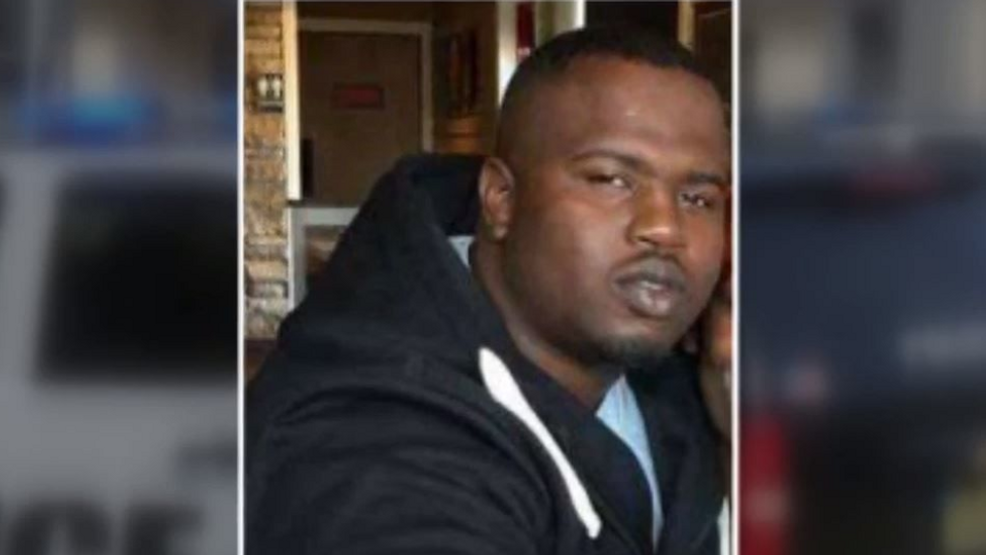
Tymar Crawford was a 28 year old Black man from Pensacola, Florida, whose death on July 5, 2019, became one of the most discussed police shooting cases in the city that year. His story drew attention across Florida and sparked protests, public meetings, demands for accountability, and debates about police use of force. Many people saw the case as part of a larger national conversation about how law enforcement interacts with Black communities.
According to police reports, the incident began when officers attempted to stop a vehicle after allegedly smelling marijuana coming from it. Authorities said the driver did not immediately stop and continued driving for a short distance while officers followed. Police later claimed narcotics were thrown from the vehicle during the encounter. The situation eventually ended near the intersection of Brainerd Street and C Street in Pensacola, where officers attempted to take Crawford into custody.
What happened next became the center of controversy. Police stated that a struggle broke out between Crawford and the officers. Officials claimed Crawford gained control of an officer’s taser during the altercation. Detective Daniel Siemen, who was the only officer to fire his weapon, shot Crawford during the confrontation. Crawford was struck by gunfire and later died from his injuries. Police maintained that the shooting occurred during a rapidly developing struggle in which officers believed there was a threat to safety.
Family members, friends, and community activists questioned the official version of events. Witnesses and loved ones gave statements that differed from police accounts. Some people close to Crawford argued that he was unarmed and should not have been killed. Reports stated that his fiancée and children were present during the incident and witnessed parts of what happened. The emotional impact of the shooting on his family became a major part of public discussions that followed.
The death of Tymar Crawford quickly led to protests throughout Pensacola. Demonstrators marched through the city carrying signs demanding justice and transparency. Community organizations, activists, and residents called for the release of information, body camera footage, and a full investigation. Many argued that the public deserved answers regarding why deadly force was used. The case became a rallying point for those seeking reforms in policing practices and greater accountability for officer involved shootings.
As public pressure increased, the Pensacola Police Department conducted an internal investigation. Months after the shooting, Chief Tommi Lyter announced that Detective Daniel Siemen had been terminated from the department. According to officials, the investigation concluded that Siemen violated the department’s use of deadly force policy. The firing was significant because it showed that department leadership believed policy violations had occurred, even though the criminal investigation was still ongoing.
The case was then reviewed by the Florida Department of Law Enforcement and later presented to an Escambia County grand jury. Prosecutors examined witness testimony, police evidence, and investigative findings to determine whether criminal charges should be filed. Community members closely watched the proceedings, hoping for a resolution that would provide clarity about the events of July 5, 2019.
In October 2019, the grand jury announced that it would not indict former Detective Daniel Siemen. No criminal charges were filed against him in connection with Crawford’s death. The decision disappointed many activists and family supporters who believed more accountability was necessary. Others viewed the outcome as confirmation that prosecutors did not find sufficient evidence for criminal prosecution. The decision added another layer of debate to an already divisive case.
Despite the grand jury’s decision, the firing of the officer remained a notable outcome. City officials emphasized that the department had taken action by terminating Siemen for violating agency policy. Pensacola leaders stated that the shooting did not reflect the values they wanted the police department to represent. At the same time, many residents continued to question whether internal discipline alone was enough given that a life had been lost.
For Crawford’s family and supporters, the case was never just about legal findings. They remembered him as a father, son, fiancé, and member of the community whose life ended at a young age. Memorials, tributes, and community gatherings kept his name alive after his death. Many people focused on the personal loss experienced by those who loved him and the lasting trauma left behind.
Years later, Tymar Crawford’s story remains part of Pensacola’s history and of the broader national discussion surrounding police shootings in America. His death led to protests, official investigations, the firing of a police detective, and continued conversations about race, justice, policing, and accountability. While opinions about the incident remain divided, the impact of his death continues to be remembered by family members, community activists, and residents who followed the case closely.