
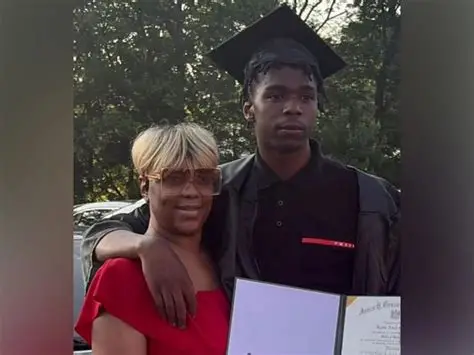
On June 24, 2026, the life of 19 year old Kadir Skinner came to a tragic end in Wilmington, Delaware, after he was shot by a Wilmington police officer. What happened that night has sparked grief, anger, protests, and demands for answers from Skinner’s family and members of the Wilmington community.
The shooting occurred near 24th and Jessup streets. According to Wilmington police, officers were monitoring a large crowd when Skinner allegedly came out of a home carrying a firearm and pointed it toward people in the area. Police said Skinner then ran from officers and was shot during a foot pursuit. A firearm was later reported recovered from the scene.
Skinner was taken to a local hospital after being shot, where he was pronounced dead. Authorities later said a forensic examination determined that he suffered a single gunshot wound to the upper left buttocks area. Police also said a loaded .45 caliber handgun with an extended magazine and ballistic evidence were recovered.
But Skinner’s family has strongly challenged the police account of what happened.
Family members and their attorneys questioned whether Skinner had a firearm and argued that the circumstances surrounding the shooting needed much greater examination. His family also said Skinner may have been running from a dog rather than attempting to flee after pointing a gun at people. These competing accounts made the release of police body camera footage especially important to the family and the Wilmington community.
In the weeks following Skinner’s death, his family repeatedly called for the body camera footage to be released publicly. Attorneys representing the family said they had reviewed the footage and believed it raised serious questions about the official account of the shooting. Witness videos released by the family’s attorneys also showed events immediately after Skinner had been shot, including officers placing him in handcuffs while he was on the ground.
On July 16, the Delaware Department of Justice, the City of Wilmington, and the Wilmington Police Department released body worn camera footage from three officers who were present during the incident. Officials said the footage was being released as a matter of public interest.
The release of the footage brought renewed attention to the case. Skinner’s attorneys argued that the footage did not support important portions of the police department’s original description of the encounter. They called for accountability and said the officer involved should face charges.
The case remains surrounded by important unanswered questions. What exactly happened immediately before the shooting? What did the officer see and believe at the moment deadly force was used? Was Skinner holding a firearm when the officer fired? What do the body camera recordings, physical evidence, witness accounts, and forensic findings establish when considered together?
Those questions are significant because a young man lost his life, and because the circumstances surrounding a police shooting require careful and impartial investigation.
The officer involved was placed on administrative leave while the investigation continued. The Wilmington Police Department and the Delaware Department of Justice have been involved in investigating the shooting.
For Kadir Skinner’s family, however, this is more than an investigation. It is the loss of a 19 year old son and loved one. No matter what the eventual investigation determines, his death has left a family grieving and a community demanding transparency.
The release of the body camera footage was an important step toward allowing the public to examine what happened, but footage alone does not determine criminal responsibility. That determination belongs to investigators and prosecutors who must consider all available evidence.
Kadir Skinner’s story is now part of a much larger national conversation about police use of force, transparency, accountability, and the importance of ensuring that families receive answers when someone dies during an encounter with law enforcement.
The search for those answers continues. As investigators examine the evidence surrounding Skinner’s death, many people are waiting to learn what ultimately happened on that Wilmington street on June 24, 2026, and whether anyone will be held legally responsible.
For his family and those who knew him, Kadir Skinner was more than a name in a police report. He was 19 years old, with a life ahead of him. His death has left behind grief, difficult questions, and a demand that the truth be fully established.