
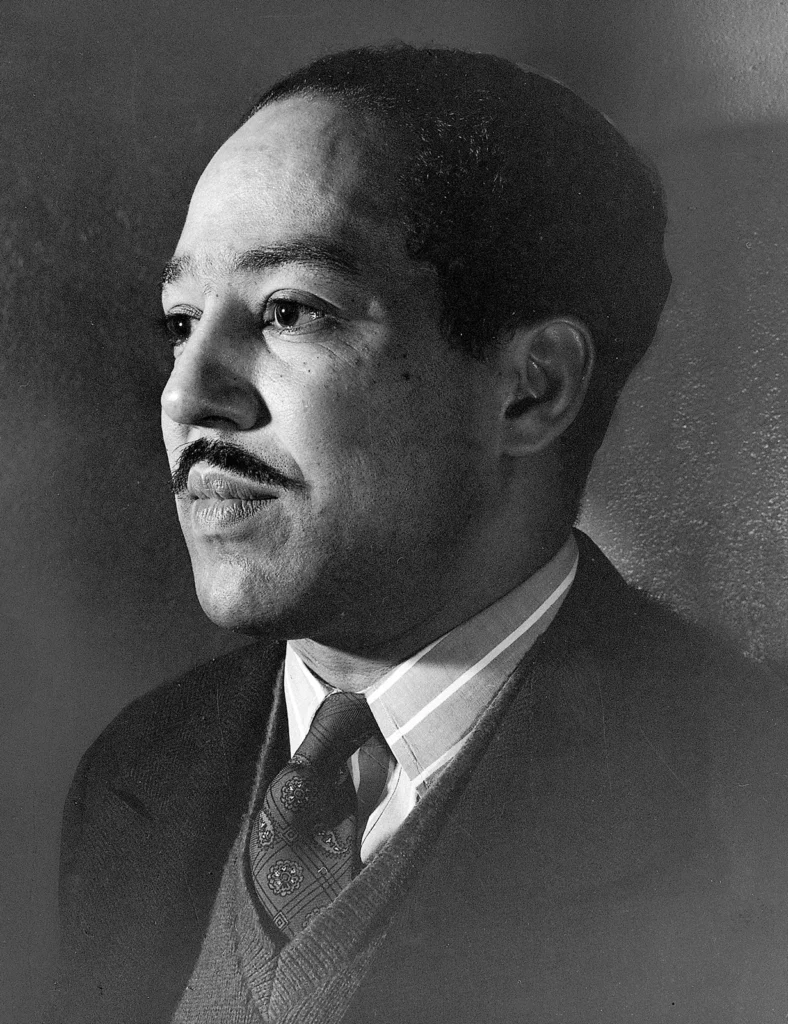
Langston Hughes was one of the most important African American writers, poets, and social voices of the twentieth century. His powerful writing captured the experiences, dreams, struggles, and hopes of Black Americans during a time when racial discrimination was deeply rooted in American society. Through poetry, essays, novels, plays, and short stories, Hughes gave a voice to ordinary people and became one of the leading figures of the Harlem Renaissance.
Langston Hughes was born on February 1, 1901, in Joplin, Missouri. He grew up during a period when African Americans faced segregation, racism, and limited opportunities. His parents separated when he was young, and Hughes spent much of his childhood living with his grandmother and later with his mother. These early experiences helped shape his understanding of African American life and influenced the subjects he would write about throughout his career.
Hughes developed a love for reading and writing at an early age. While attending high school in Cleveland, Ohio, he began writing poetry. He eventually became interested in the lives of working class Black Americans and believed their stories deserved to be heard. Instead of writing only about wealthy or highly educated people, Hughes often wrote about everyday men and women, their struggles, their hopes, their families, and their dreams.
Hughes became closely associated with the Harlem Renaissance, a major cultural movement that took place primarily during the 1920s and 1930s. Harlem became a center for African American literature, music, art, and political thought. Writers and artists used their talents to challenge racial stereotypes and celebrate Black culture.
Hughes stood out because his writing often reflected the language and rhythms of everyday African American life. He was also heavily influenced by jazz and blues music. He believed poetry could sound like music, and he frequently incorporated musical rhythms into his work.
One of Hughes’s most famous poems is “The Negro Speaks of Rivers.” The poem connects African American history to some of the world’s great rivers and ancient civilizations. It reflects the strength, history, and endurance of Black people. Another famous poem, “I, Too,” addresses racial discrimination while expressing confidence that African Americans would eventually receive the respect and equality they deserved.
Hughes also wrote about the American Dream. In his famous poem “Harlem,” he asked what happens to a dream that is continually postponed. The poem became one of his most powerful examinations of racial inequality and the frustration created when people are denied opportunities.
Hughes did not believe that African American writers should hide the realities of Black life in order to make their work acceptable to others. He wanted writers to be honest about both the beauty and the struggles within their communities. His writing celebrated Black culture while also exposing injustice.
Throughout his career, Hughes traveled extensively and experienced different cultures. His travels influenced his writing and gave him a broader understanding of racism, poverty, colonialism, and inequality around the world. He continued writing about ordinary people and the challenges they faced.
Hughes was also a journalist and political commentator. He used his writing to discuss issues affecting African Americans and working class people. His work demonstrated that literature could be more than entertainment. It could educate people, challenge injustice, preserve history, and inspire change.
Langston Hughes died on May 22, 1967, in New York City. Although he is no longer alive, his words continue to influence generations of readers, writers, students, and artists.
Langston Hughes left behind a remarkable literary legacy. He helped transform African American literature by making the experiences of everyday Black Americans an important part of American literature. His poems continue to speak about dreams, freedom, identity, racism, perseverance, and hope.
His life reminds us that words can become powerful instruments for change. Hughes used his talent to tell stories that might otherwise have been ignored. He showed that the dreams of ordinary people matter and that literature can preserve the struggles and victories of an entire generation.
Langston Hughes was more than a poet. He was a storyteller, historian, cultural leader, and powerful voice for African Americans. His work remains an important part of American history and continues to remind readers that even when dreams are delayed, the desire for freedom, dignity, and equality cannot easily be silenced